PFIC is a group of rare, inherited diseases that mostly affect the liver. While PFIC is often associated with cholestatic pruritus (itch), other symptoms can include:
-
 Jaundice
 -
 Gastrointestinal issues
 -
 Fat-soluble vitamin (FSV) deficiencies
 -
 Bleeding
 -
 Easy bruising
 -
 Poor growth
The most common types of PFIC are
FIC1 deficiency
BSEP deficiency
MDR3 deficiency
Milder forms of PFIC1 and PFIC2 are known as benign recurrent intrahepatic cholestasis, or BRIC1 and BRIC2. In total, however, 13 different types have been identified. Researchers expect to discover more types as studies continue.


Though PFIC typically appears in infancy or early childhood, with some types, like PFIC3, symptoms may not present until adulthood. PFIC can also be missed in adults, and symptoms like cholestatic pruritus are often normalized or overlooked, adding to diagnosis challenges.
-

PFIC symptoms can be subtle, so it may be worthwhile to undergo genetic testing if you have a family member with PFIC. Talk with your doctor about whether genetic testing might be helpful for you or your loved one.
-
 Bile has many purposes, including:
Aiding in the digestion of fats and helping with the absorption of fat and certain types of vitamins (A, D, E, and K).
In PFIC, bile acids get stuck inside the liver cells. Over time, bile acids build up in the liver and blood.

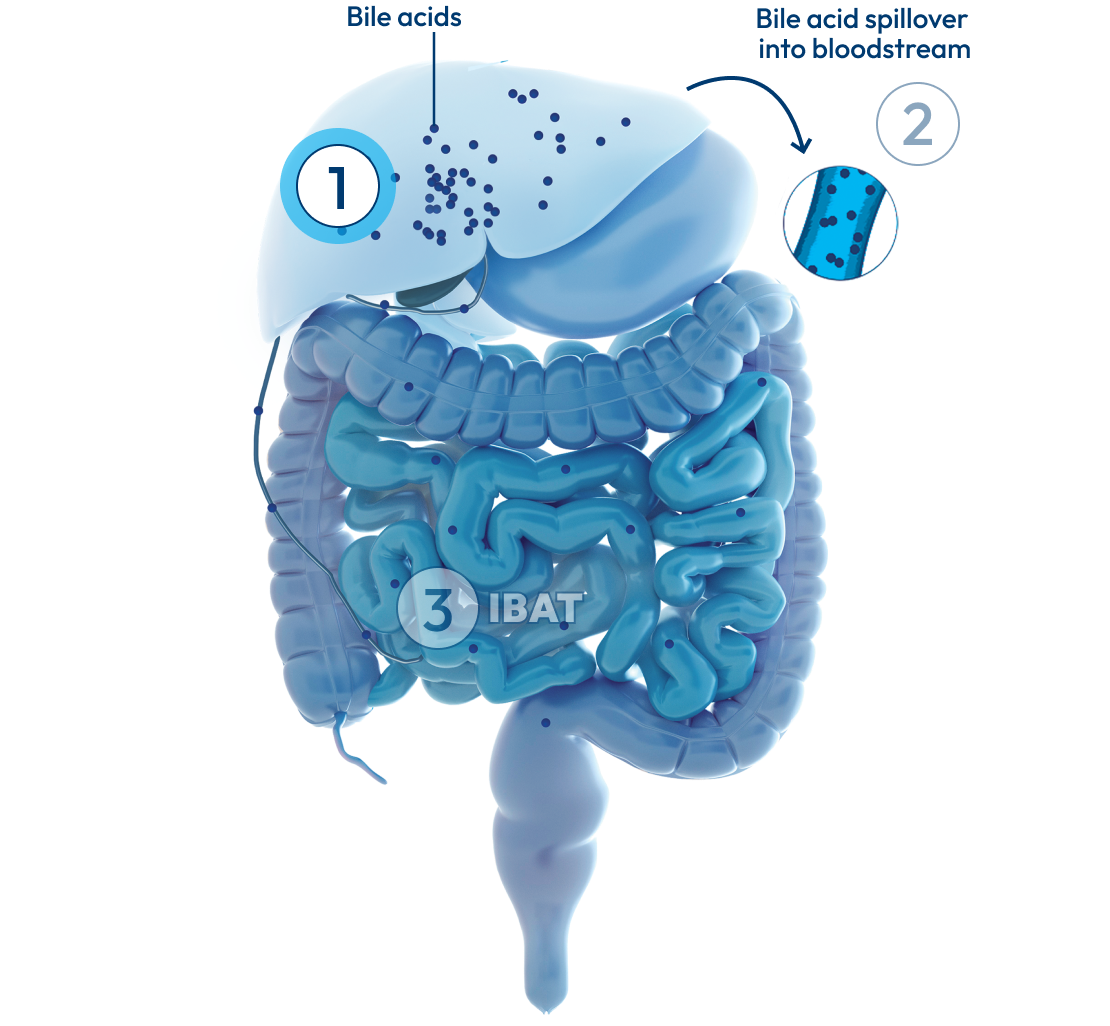
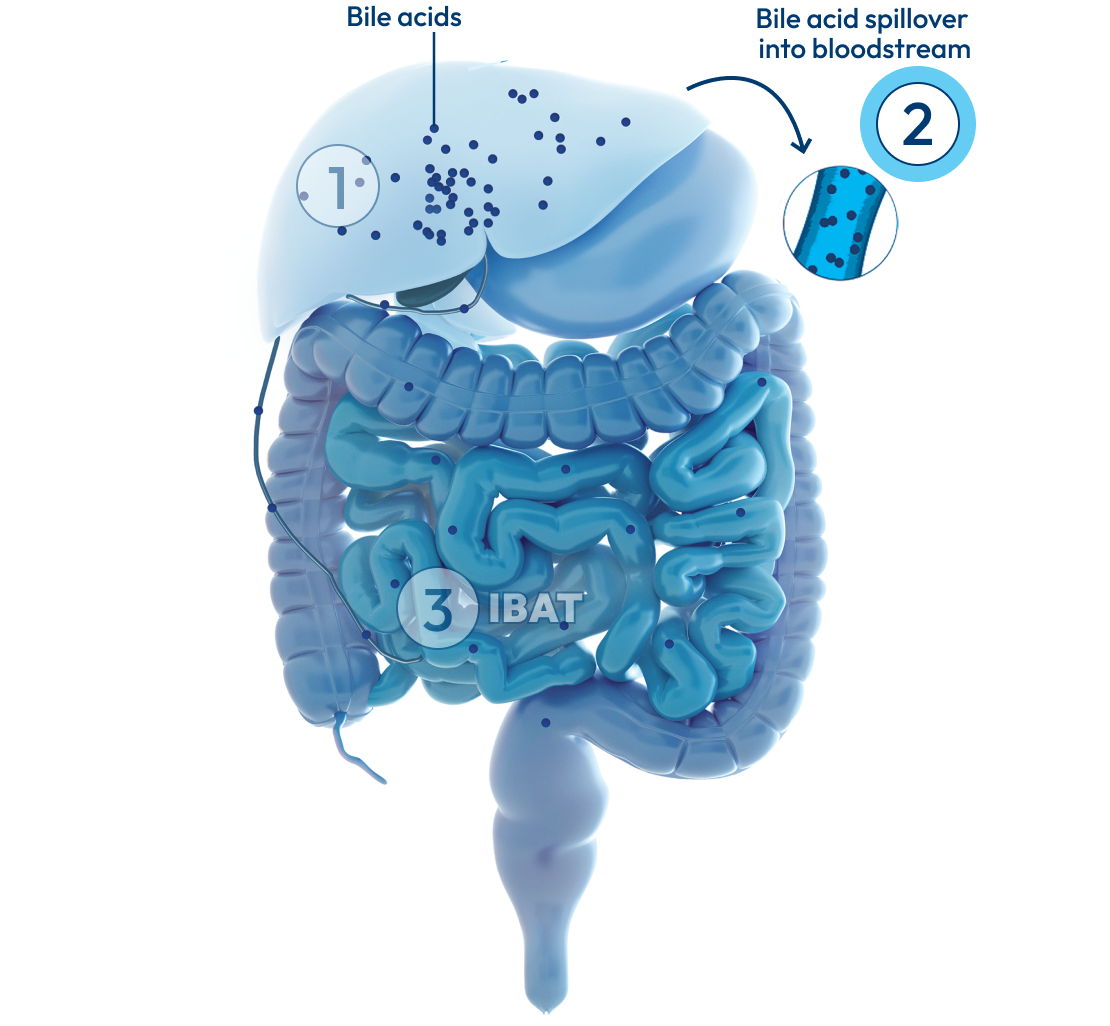
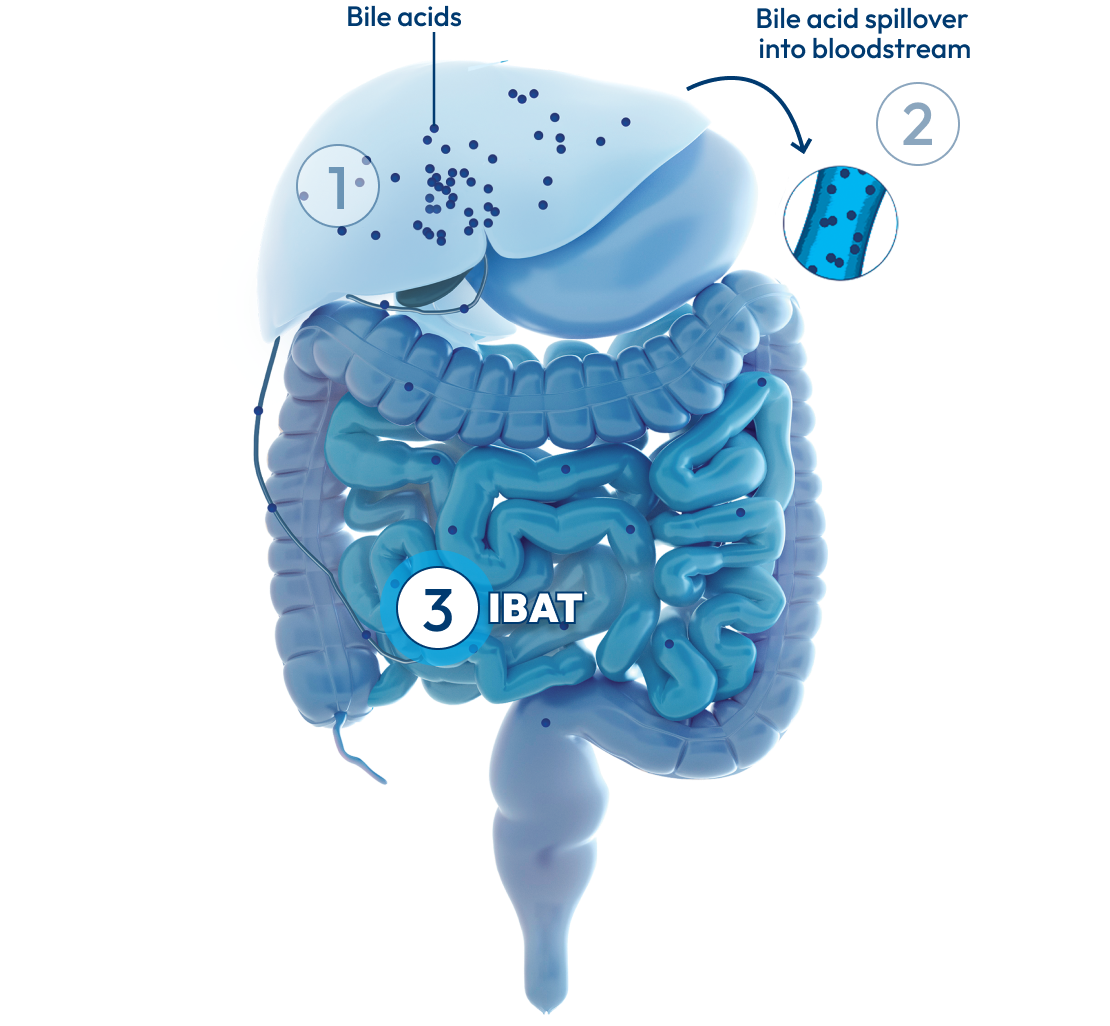
When bile acids build up in the liver, they spill over into the bloodstream. This can cause an increase in bile acids throughout the entire body. These high levels of bile acids are an underlying cause of cholestatic pruritus in PFIC.
Up to 100%
of people with PFIC are affected by cholestatic pruritus, and it is also the most burdensome symptom.
Over time, the buildup of bile acids in the liver can lead to long-term problems, including:
-
 Inflammation in the liver
 -
 Liver damage that worsens over time
 -
 Scar tissue in the liver
 -
 Risk of transplant
Treatment options for cholestatic pruritus in PFIC have been limited. In cases where cholestatic pruritus is unmanageable, many people still choose to have surgery and/or a liver transplant.
-

92%
of patients were motivated by cholestatic pruritus in a study of 38 pediatric patients with PFIC who underwent surgery.*
In another study, end-stage liver disease was the most common reason for liver transplant in pediatric patients with PFIC. Persistent cholestatic pruritus was the second most common reason.
*A retrospective (looking back in time) evaluation of surgery that did not include a liver transplant for pediatric cholestasis in 58 patients, including 38 patients with PFIC. Among these 38 patients, the reasons for surgery included pruritus in 92% (35/38 patients), followed by progression of liver disease in 59%.
-
 It’s more than just scratching
Cholestatic pruritus is often a very challenging symptom for people with PFIC beyond the scratching.
Cholestatic pruritus can affect a person’s emotional, mental, and physical well-being. Signs and symptoms related to the itch can look different during the day and/or night, vary among patients, or even change with age.
-
 The burden of cholestatic pruritus
Approximately 60% of caregivers reported that their child suffered from sleep disturbances due to itch.†
Sleep disturbances include needing help falling asleep, needing soothing, and sleeping with a caregiver.
†A qualitative assessment of patient/observer-reported outcomes by study participant caregivers (N=62) examined pruritus and sleep disturbances during a 5- to 8-week screening period of a Phase 3 study in patients with PFIC.
-
 Skin damage
 -
 Worsened physical function
 -
 Potential negative impact on social activities
 -
 Irritability
 -
 Worsened performance in school
 -
 Worsened general health
 -
 Cognitive impact
 -
 Burning, tingling, or prickling sensation

Take the itch quiz
The following questions can help you identify the signs and symptoms of cholestatic pruritus, the impact they have on your everyday life, and how well they're currently managed. No matter the outcome, be sure to share your quiz summary with your doctor.

Here are some possible questions you can ask to get the conversation started: